
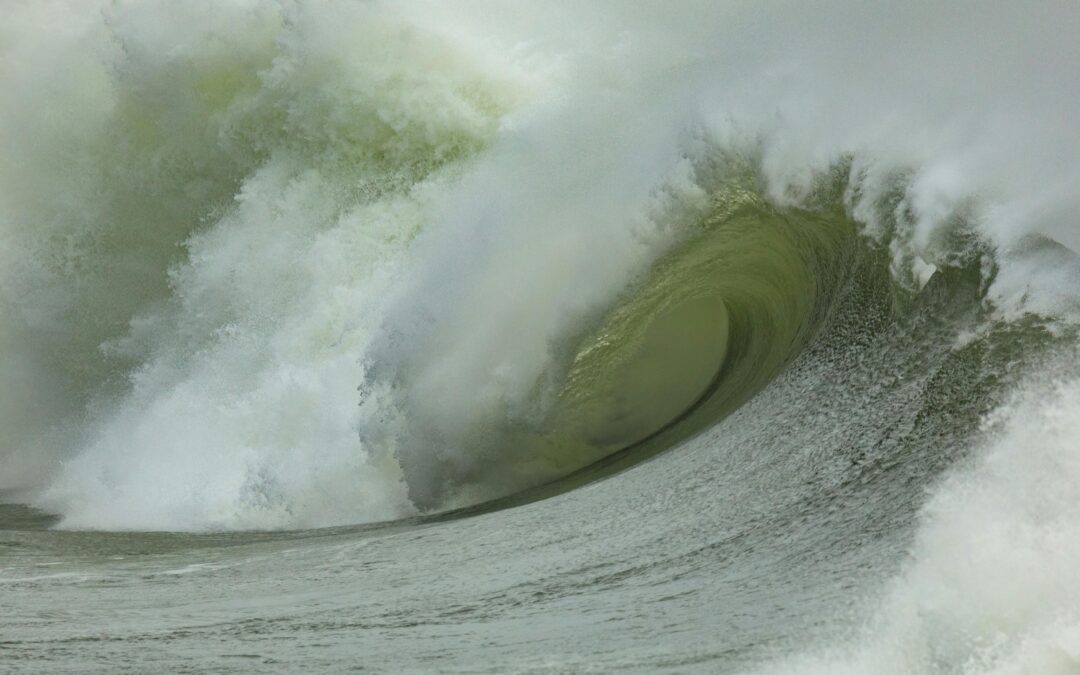
South Africa’s winter is not a time to pack away your board; it’s the season serious surfers live for. The cold fronts sweeping up from the Southern Ocean deliver the most powerful, well-groomed swells of the year, and the lineups thin out as the fair-weather crowd disappears. But here’s the hard truth: if your wetsuit is tired, torn, or two seasons past its prime, you’re leaving performance and warmth on the table. Investing in a new wetsuit before winter is one of the smartest decisions a dedicated surfer can make.
Gear up before the first big swell hits. Browse Coral Wetsuits’ surfing range here and get suited up for big stoke.
South Africa’s Winter Swell Is the Real Deal
A little-known fact is that Cape Town’s sea temperature actually tends to increase during the winter months; the water gets warmer as the air temperature drops, and the swell tends to be significantly better during winter, particularly on the West Coast and heading towards Namibia.
Despite this, the cold Benguela Current flows northward along the west coast from the Southern Ocean, keeping waters around Cape Town and the Atlantic side cool year-round, typically in the range of 10–16°C.
At the lowest seasonal water temperatures in mid-July, surfers are well-served by a 4/3mm wetsuit or a 3/2mm suit combined with 3mm neoprene boots. That means the wrong wetsuit, or a degraded one, won’t just make you uncomfortable; it will cut your sessions short and keep you out of the water on the best days of the year.
Your Old Wetsuit May Be Failing You
Neoprene doesn’t last forever, and the degradation is often more advanced than it looks. Most avid surfers replace their wetsuits every 9 to 12 months because heavy use leads to seams weakening, neoprene losing its flexibility, and small tears that can turn into major leaks, all of which affect performance, comfort, and the ability to stay warm in colder conditions.
Even if your suit looks fine from the outside, there are telling signs it has reached the end of its life. The material may start to feel rough instead of having the initially smooth feel of a new suit, a sign that the neoprene is beginning to deteriorate, making it more likely to sustain further damage during use.
Excess water pooling in the torso is another red flag, indicating the material has been stretched out, which cuts buoyancy and creates drag. Inflexible, cracking neoprene is also a clear sign that a suit has reached the end of its lifespan.
A wetsuit that flushes cold water, loses its stretch, or fails at the seams is not just uncomfortable; it’s a thermal liability in winter conditions.
Why a Surf-Specific Wetsuit Matters
Not all wetsuits are the same, and using the wrong type is a common mistake. Surfing demands flexibility and range of motion above all else, so look for wetsuits with high-stretch materials, especially in the arms and shoulders.
A diving wetsuit prioritises thermal protection over mobility; a fishing long john leaves the arms entirely free. Only a purpose-built surfing wetsuit balances the insulation, stretch, and durability that paddling, duck-diving, and riding waves demand.
We design our surfing suits to reduce water resistance, enhance flexibility, and allow surfers to perform at their best.
Every wetsuit is hand-made in South Africa using carefully chosen materials and thoughtful design, resulting in gear that performs reliably in real conditions.
That local knowledge matters, Coral Wetsuits understands local conditions better than anyone, which is why their tailored designs are built to withstand South Africa’s unique marine environments.
The Right Thickness Makes All the Difference
Choosing the correct neoprene thickness for winter surfing is not guesswork. Wetsuit thickness is typically presented as two or three numbers separated by slashes, such as 3/2mm or 4/3/2mm, the first number indicates the neoprene thickness in the torso area, the second represents the legs, and the third (if present) denotes the arms.
Neoprene contains small closed cells filled with air that provide insulation by trapping body heat, and the thicker the neoprene, the better it insulates.
Seam construction is equally important: glued and blind-stitched (GBS) seams reduce water entry and provide better insulation, while taped or liquid-sealed seams are the top-tier option for maximum warmth and durability.
For South African winter surfing, these construction details separate a suit that keeps you in the water for two hours from one that sends you shivering to the car after forty minutes.
South Africa’s coastal waters vary greatly, and owning multiple wetsuits for different conditions, such as a thinner suit for the warmer eastern coast and a thicker one for the cooler west, can significantly enhance your overall experience.
Coral Wetsuits: Investing in Quality Pays Off
A premium wetsuit is not an impulse buy; it’s a piece of technical equipment. Coral Wetsuits has been operating since 1995, with roots firmly planted in Cape Town, and specialises in customised wetsuits that fit like a glove across surfing, scuba, triathlons, spearfishing, and more.
A custom or well-fitted suit doesn’t just keep you warmer; it removes the distraction of a flushing collar or restricted shoulder on a critical wave.
When additional insulation is needed, thermal vests or neoprene layers can be worn under your wetsuit to help regulate body temperature during cold-water or winter surf sessions without sacrificing mobility. Pair these with neoprene gloves and boots and you have a complete cold-water system that extends your time in the lineup on the coldest mornings of the year.
Winter swell in South Africa is a privilege. Don’t let a worn-out wetsuit be the reason you watch it from the shore.
Don’t wait for the cold to catch you out. Shop Coral Wetsuits’ full surfing range, hand-made in Cape Town since 1995, and be ready when the big swells arrive.